CRER just sold a boutique building across from Chase Tower in the heart of downtown Chicago. Here’s what it says about where downtown is heading.
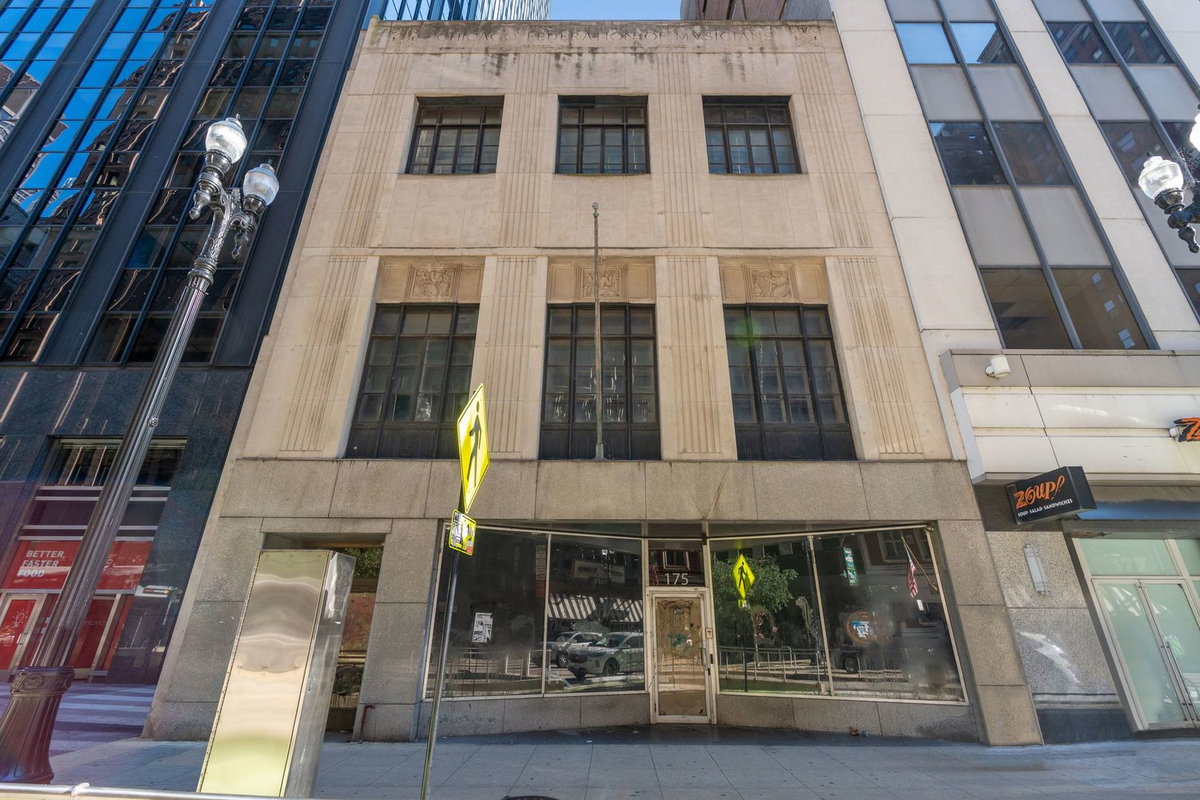
The building is 6 S. Clark St., a four-story, 15,000 square foot retail and office property in the Loop. Steven Rapoport, CCIM, sold it to New Insight Engineering for about $175 a foot. The seller was ready to move on to its next investment. The buyer gets a new corporate headquarters it owns, moving in alongside the existing tenants. And the Loop gets another company betting on its future, joining neighbors like Chase across the street and Google just up Clark Street at the Thompson Center. It’s a deal CRER is proud to have been part of.
The $175 per square foot is interesting because the big towers around it are trading for a fraction of that. 55 W. Monroe sold for $25 a foot. 175 W. Jackson went for $28, and 111 W. Jackson for $44. Across 14 Loop tower sales in the past few years, the average was about $60 a foot. In 2021, those buildings were worth close to $300.
Here’s what makes those prices so striking. According to CoStar, Central Loop office space rents for about $35 a foot per year on average. That means some of these towers sold for less than a single year’s rent.
Why the gap? Expenses don’t go vacant. A tower costs almost as much to run half empty as it does full. Taxes, elevators, lobbies, security and staff add up fast. When half the floors are empty, the owner covers that bill alone. Landlords are also giving away free rent and big buildout packages just to land tenants. Demand dropped, but the costs didn’t, and buyers are pricing in years of carrying empty space.
Cheap doesn’t mean safe. One investor bought three discounted Loop towers in the past 15 months, including the former Citadel Center at 131 S. Dearborn, Ken Griffin’s old headquarters. By this fall, he had lost control of all three. At 33 W. Monroe, the property manager, security and janitorial staff walked off over unpaid bills, millions in property taxes went unpaid, and a court-appointed receiver took over. A low price doesn’t help if you can’t carry the building while it sits empty. Read more: Mike Kohan loses trio of Loop office towers in receiver, creditor takeovers
So why would a smart buyer pay more per foot for a small building than a tower a few blocks away? It comes down to who can buy it and how easy it is to fill. A tower needs dozens of tenants to stay full and a national fund willing to bet tens of millions on a comeback. A building like 6 S. Clark needs one or two tenants, and it can be bought by a local investor or a business that’s tired of paying rent. An owner-user doesn’t need to win a leasing war. It just moves in.
Getting 6 S. Clark sold took the right strategy. CRER ran a marketing process built for maximum exposure. The building is too small for the national funds buying towers, so the campaign went straight at the buyers who made the most sense: local investors and owner-users. CRER listed it on every major platform, sent it to its database of Chicago investors and reached out directly to businesses that could use the space. The marketing package gave buyers everything they needed to underwrite the deal fast: rent roll, lease abstracts, real expenses, pro forma income and floor plans.
The building had one more source of income most buyers would overlook: a wireless carrier leases space on the roof for its antennas. What many owners don’t know is that this kind of lease can be sold off on its own. There are companies that specialize in buying rooftop antenna leases, paying the owner a lump sum upfront in exchange for the future rent. Steven brought in separate offers from these buyers, which put a real market value on that income stream. For buyers of the building, it meant one more way to make the numbers work. They could keep the steady rent, or cash it out to help fund the purchase.
The strategy worked. Several interested buyers stepped forward, and that competition gave the seller real leverage at the negotiating table. When buyers can see both the income and the upside, they make offers.
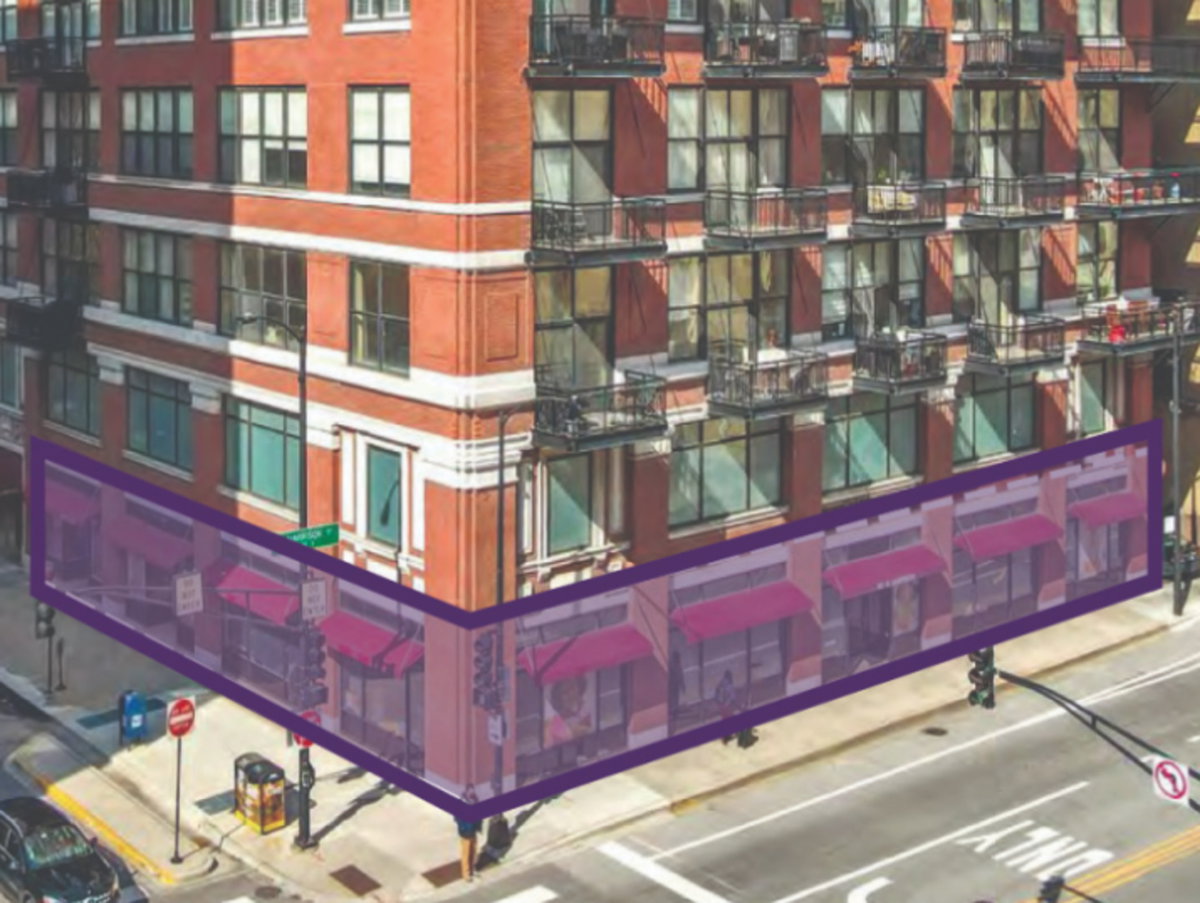
In the end, New Insight Engineering gets something the tower buyers don’t: a headquarters it owns, at a price well below what it would cost to build today, with plans to reactivate the vacant retail, finish the building and bring new life back to the corner of Clark and Madison. It’s exactly the kind of local ownership that will help build a more dynamic version of the Loop.
Where is downtown heading? “We’re coming out of a difficult, transitional time,” Steven said. “More than 2 million square feet of obsolete office came off the market this year, and Google is moving into the Thompson Center. Don’t bet against Chicago. The Loop is going to come back better, more dynamic and stronger.”
What do you think? What will downtown Chicago look like in 5 or 10 years? Send your take to StevenR@crer.com.
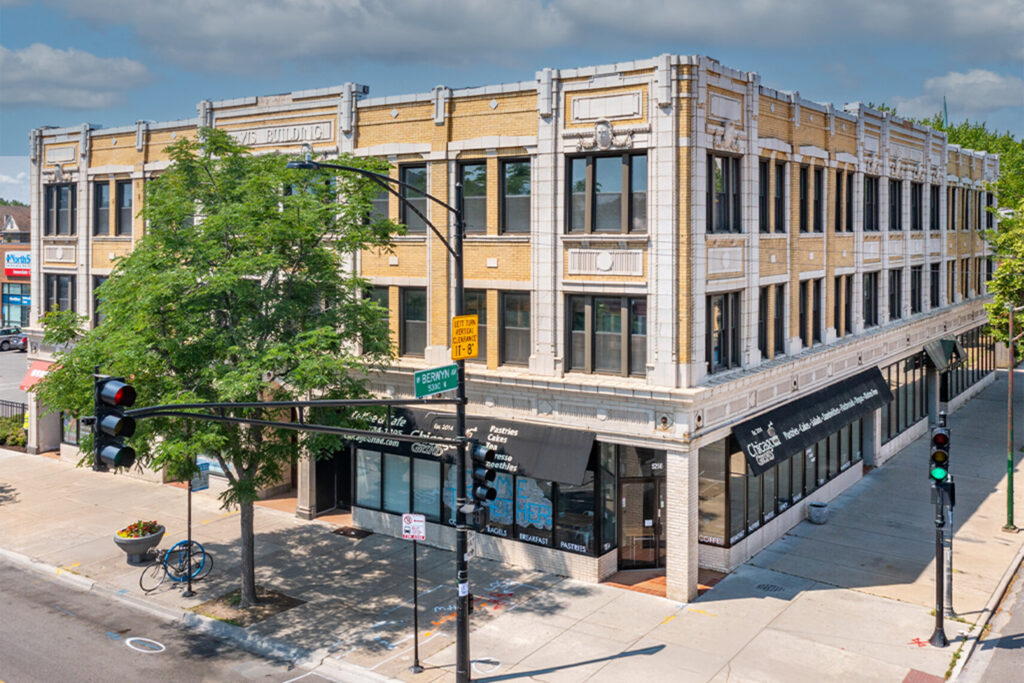
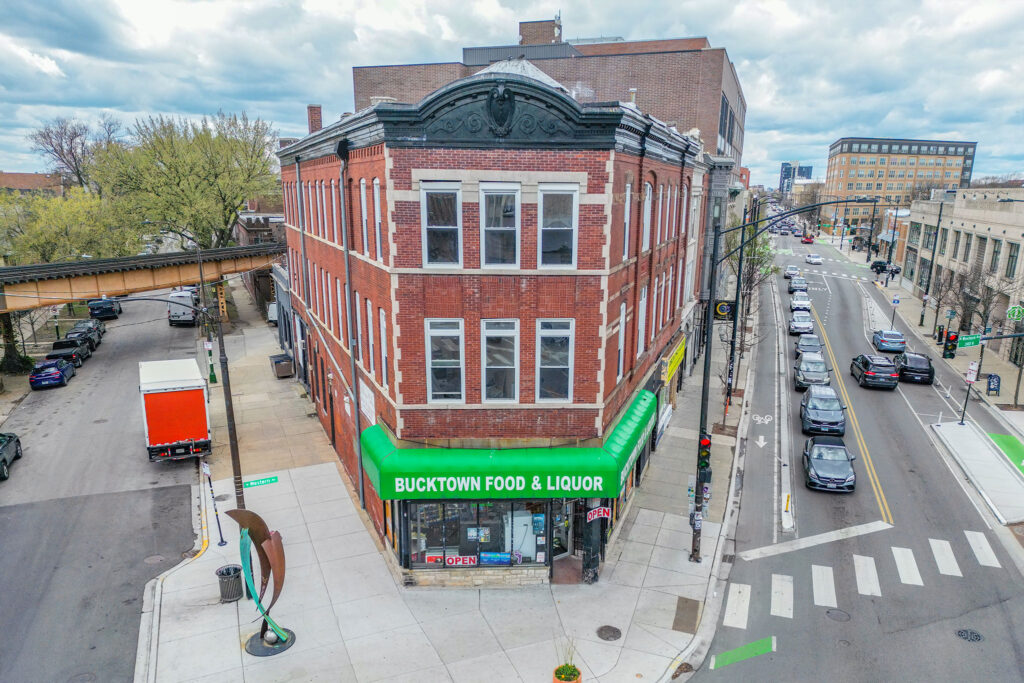
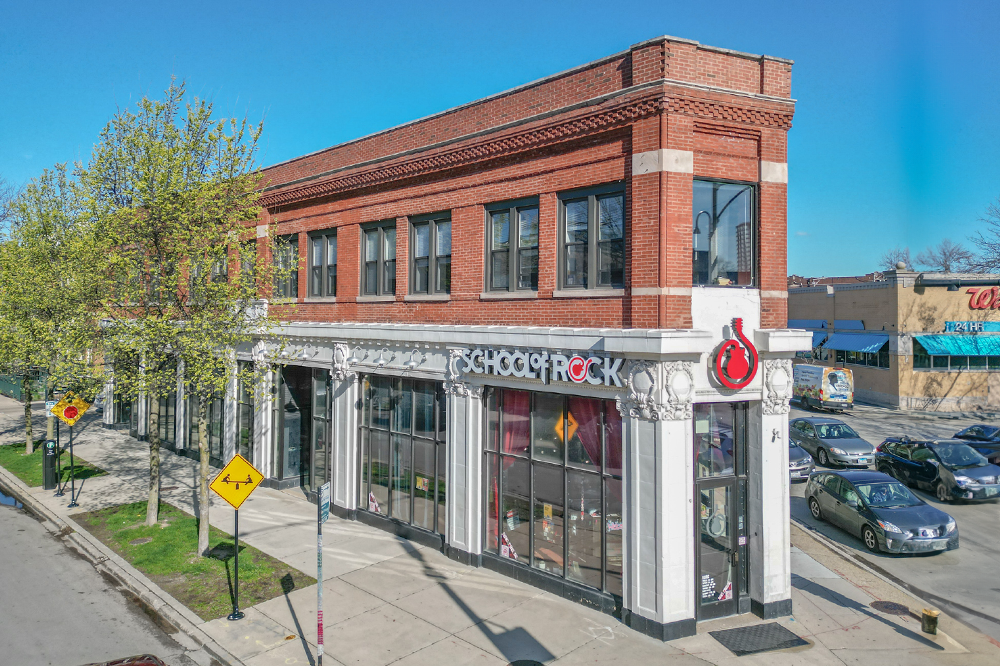
More CRER Results in the Market:
Thinking about selling? Let’s start with an honest number. Reach out to Steven Rapoport, CCIM, at StevenR@crer.com or 847-863-2707 for a confidential opinion of value.